
Living Waters

For families

You’re probably reading this at a bad time.

Somebody’s in the hospital, or something happened, or it’s just gotten to be more than you can manage at home. Here’s what you need to know, without the runaround.

A person answers

[phone]

Ask for [name]

No appointment. Call and come look at the house today if you want to.
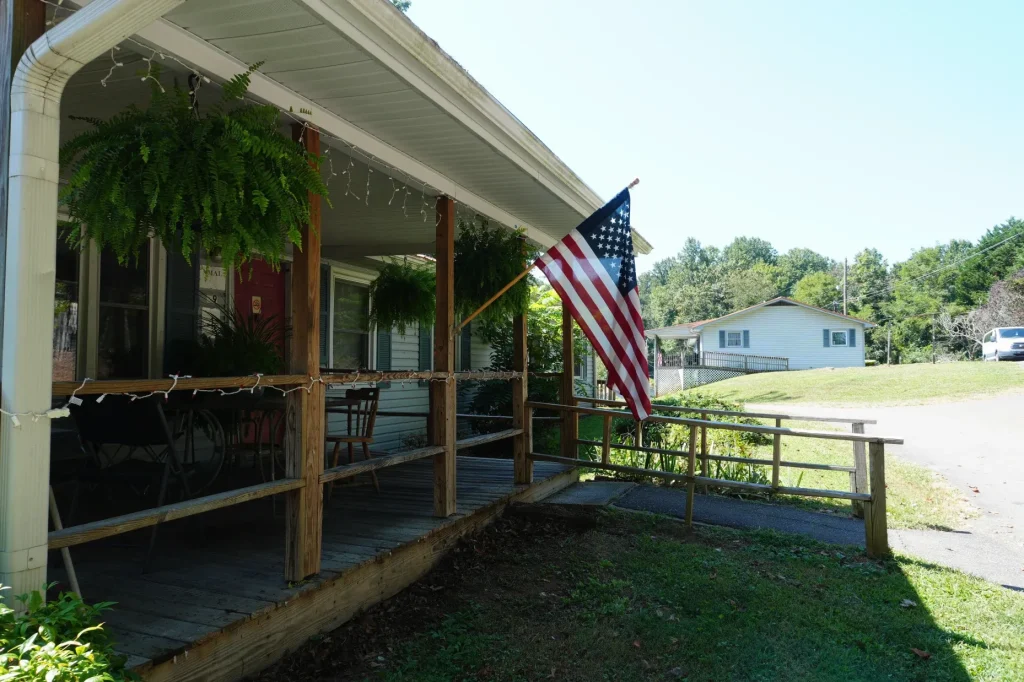
Looking down the front porch past the flag, with a second house visible across the drive.

Come and see it

Today, if you want.

No appointment. Call [name] at [number] and come look at the house. Walk through all of it. Meet whoever’s on shift. Ask anything you want.

We say that because we know what tours are like at bigger places — the scheduled visit, the nice lobby, the parts of the building you don’t get shown. There’s no part of these houses you don’t get shown. It’s a house.

  • Walk through all of it, including the kitchen
  • Meet whoever’s on shift that day
  • Ask anything you want, including what it costs
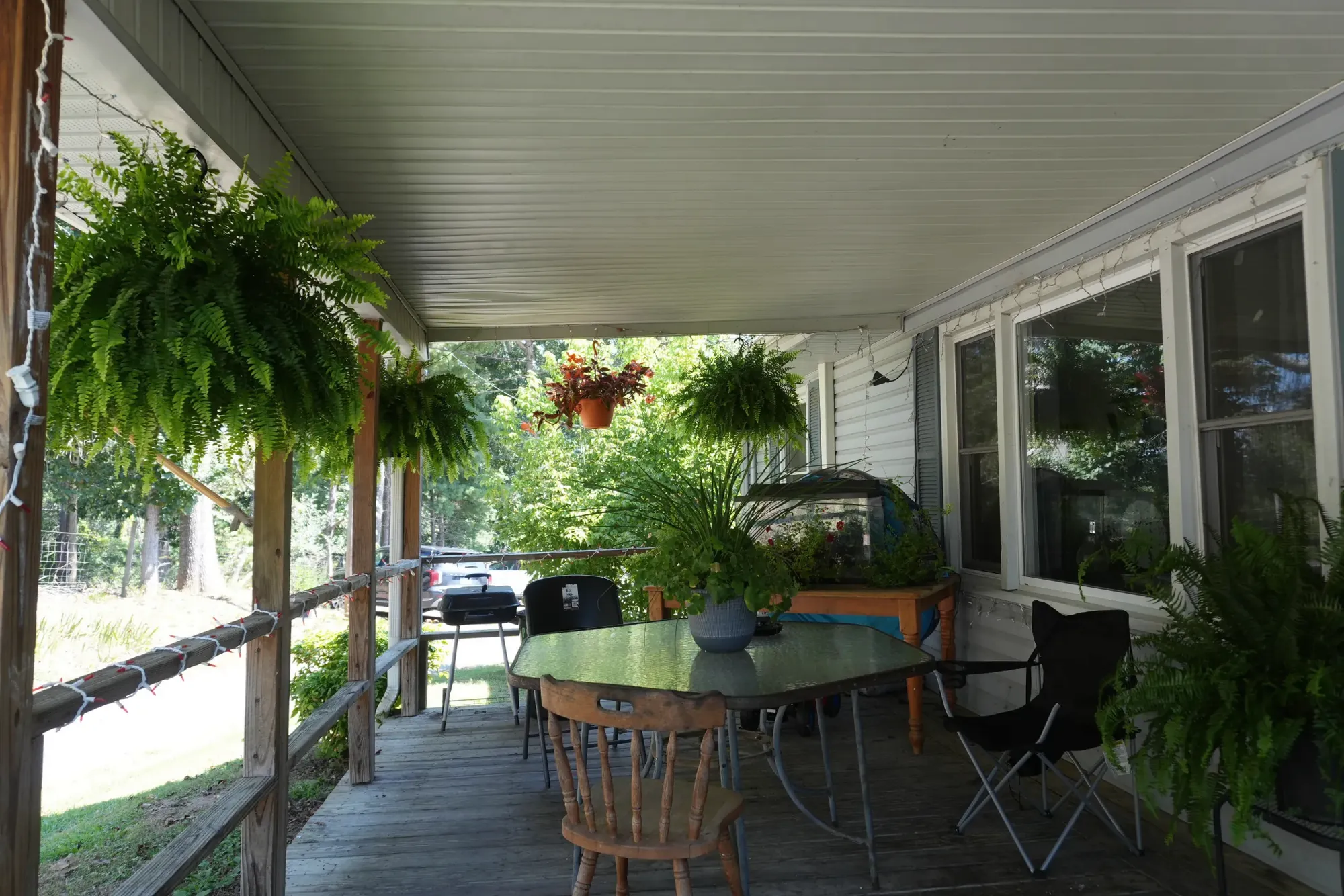
A table and chairs set out along the covered porch, under hanging baskets of ferns.
No appointment needed

Money

What it costs, plainly.

If your person qualifies for Special Assistance, the state and county cover the room and board, their own income goes toward the rest, and they keep $70 a month for themselves. Hands-on care is billed separately through Medicaid.

If they don’t qualify, private pay is [$X] a month.

We’ll go through the actual numbers for your situation on the phone, before you drive out here.

Nobody should find out what something costs at the end of a tour.

Special Assistance and Medicaid Personal Care Services are two separate programmes paying for two separate things. The full explanation, with the current figures and where they come from, is on the family care home page.

The first week

What the first week looks like.

[Honest description. What happens on day one. Who they’ll meet. How long it usually takes somebody to settle. What the hard part usually is — say the hard part.]

A quilted blanket folded on a bed beside a window in morning light.
Illustration, not one of our houses.

Moving in

What to bring.

We mean that. The rooms here are theirs, and a room with somebody’s own things in it is the difference between living somewhere and being stored somewhere.

  • Their own things
  • Their chair, if it’ll fit through the door
  • Photographs
  • The blanket

Staying involved

How families stay involved.

Visit whenever you want. [Visiting policy, if any]. Call any time and ask for [name].

We’ll call you when something changes — good or bad, not only bad.

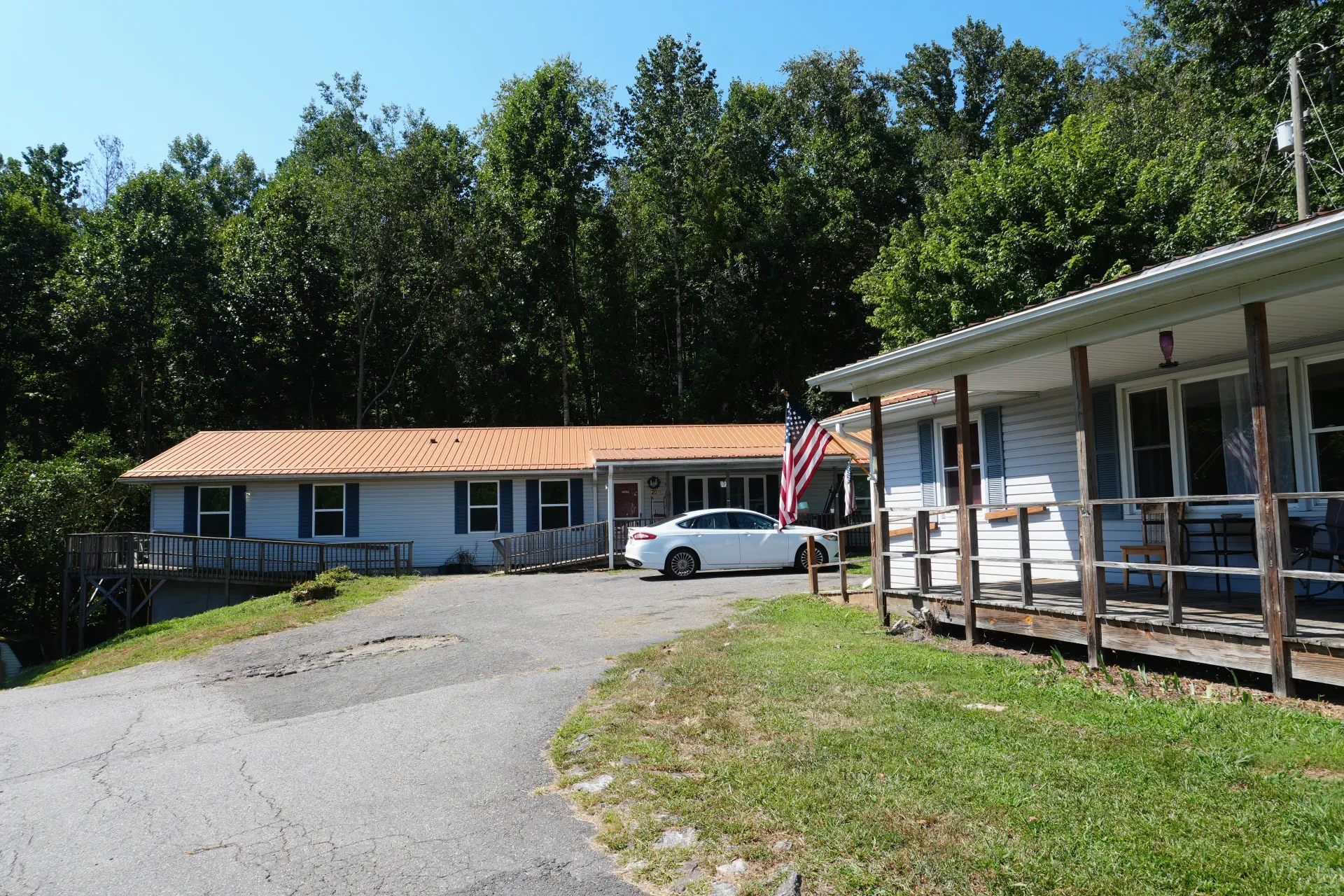
The approach to one of the homes, the drive curving up to the porch.

Questions people actually ask

Can I visit whenever I want?

[Answer]

Who’s here at night?

Somebody is awake in the house, every night. [Add specifics]

What happens if they get sicker?

[Honest answer, including when a family care home is no longer the right place]

Can they bring a pet?

[Answer honestly either way]

What if we run out of money?

[Answer]

What if it doesn’t work out?

[Answer]

If the question you came with isn’t here, it’s not because we don’t want to answer it. Ring us and ask.

If calling is hard right now

Write it down instead.

Some weeks a phone call is the last thing you can face. Leave this and we will ring you back.

We use this to reply to you and nothing else. We do not sell or share it.

Come and look

You can’t tell anything about a home from a website.

Call and come look. Any day, no appointment. Walk through the whole house, meet whoever’s on shift, ask us anything you want.

[phone]Ask for [name]
A person answers — including weekends
Scroll to Top